 EN
EN

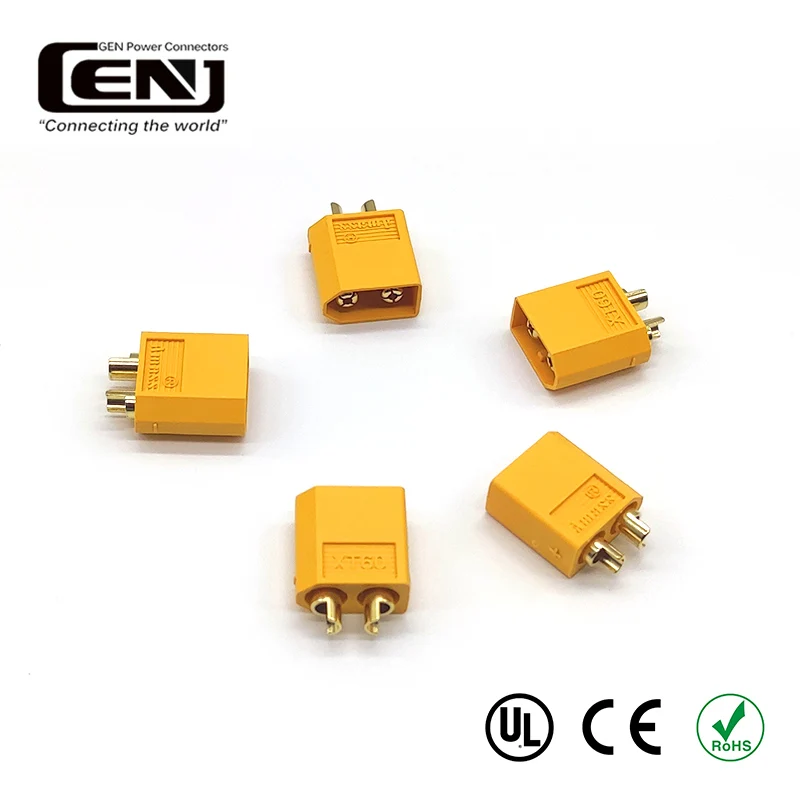
Globally policy is a huge driver in where companies source there parts, this is particularly true for OEM metal components. OEM here stands for Original Equipment Manufacturer, that is, these parts are produced as generic components others would use in their products. When countries set trade policies, they can affect how simple or difficult companies like GEN find it to acquire the metal parts they require. Some of these rules can take the form of tariffs, which are extra taxes on imported goods, along with other deals between countries. These changes directly impact pricing and availability, all the more reason why Wholesale Buyers should be knowledgeable of these procedures.
What Oem Metal Parts Wholesale Buyers Should Know About Trade Policies
Those purchasing at wholesale must monitor trade policies, as such policies are able to directly impact the cost and accessibility of OEM metal components. When tariffs are imposed on imports of parts, it can increase the cost. If, for example, a country imposes a 10% tariff on metal parts from another country, that price bump can be tough to swallow for wholesalers. They may have to pay more, potentially raising prices for their customers. In other words, buyers need to consider where they get their metal parts. If they do become too dependent on one country for those parts, a shift in trade policies could leave them in a lurch. Buyers should also think about diversifying their suppliers to mitigate risk more effectively. By multiple sourcing, they can keep their costs low and assure a steady supply. Buyers should also keep an eye on international deals that could make it easier or harder to import parts as they evaluate which companies can continue to grow while regulations tighten. Having that information can help them in making wiser decisions about their own businesses.
What Tariffs Mean For The Cost Of OEM Metal Parts For Wholesale Purchasers
The truth is that tariffs can, and in this case do have, a significant impact on the price of OEM steel parts when shopping in bulk. The higher the tariffs, the higher the price of parts. That makes it more difficult for outfits like GEN to hold down costs. For example, if a business normally pays $100 for a metal part and then faces a new tariff that puts the price at $110, the business has to figure out what to do with that extra $10. They absorb the cost, which could eat away their profit for the job, or they pass along that fee to their customers. The end consumer can suffer from this in the form of higher prices, and that’s never good.
What’s more, tariffs can cause delays in acquiring the parts. The parts that are now getting stuck because of new tariffs may also slow down their production. This realization is that in this saturated market they may not be able to fulfill the orders on time, hence affecting their repute. Buyers should also stay updated on trade policy news. Knowing how and why this is changing can help them to do so better. For instance, if a new tariff is on the horizon, they may want to order more parts before that financial blow lands.
Knowing how tariffs impact price and availability enables wholesale buyers to make more informed decisions when it comes time to purchase. They can also strategize to make sure they are getting the best prices and maintaining functioning supply chains. Understanding trade policies can make a big difference in its success.
Information is power in the fast-moving world of trade. For firms like GEN, knowing these policies is the key to not only overcoming their headwinds but also for buyers to make educated decisions.
What Are the Problems Faced by Wholesale Purchasers of OEM Metal Parts in International Trade?
Buyers sourcing OEM metal parts have to deal with many headaches in the worldwide trade industry. One major problem is the tangle of different countries’ rules and regulations. Every country has its own laws around how products can be traded, and these rules can change often. So if a customer in the United States wants to buy metal components from a supplier in China, that buyer needs to comply with both nations’ laws. This can be overwhelming and time consuming. Additionally, tariffs are another challenge. Tariffs are taxes that governments impose on imported goods. When a buyer is forced to pay steep tariffs on metal parts, the overall cost can get much higher than anticipated. That may push up the prices of the things they sell, which could anger consumers. A second problem is quality control. Product tastes and for that matter, the perceptions about quality of all products vary enormously from country to country. A buyer could, for example, expect a certain level of quality from metal parts ordered in China while a metal supplier in that country does not live up to those assumptions. This can mean delays, returns and unhappy customers. Plus, logistics can be a huge issue. Logistics is about how things get moved from one place to another. Any delays in shipment caused by customs inspection or transportation can lead to a rupture of the supply chain. GEN, A OEM metal part manufacturer know the challenges and want to assist buyers through them so they receive quality parts on time.
Trade Agreements On Wholesale Sourcing For OEM Metal Parts
Trade agreements are negotiated deals with other countries that make it easier and cheaper to trade goods. These contracts can be highly beneficial for wholesale buyers who need OEM metal parts. Through trade agreements, nations typically reduce or eliminate their tariffs, meaning products become cheaper to import. This can save wholesale customers huge amounts of money, which means they are able to pass those savings on and provide much better prices for their own customers. For example if the U.S. and Mexico have a trade agreement, then a buyer sourcing metal parts from Mexico can import them without incurring high tariffs. More money saved may mean higher profits at least in theory for the buyer, but not necessarily, just as it might make no difference or even be more costly. Trade agreements may also include laws that facilitate trade. For instance, they could streamline customs processes expediting the movement of goods across borders. Morris’ point is critical because speed of delivery can be key for businesses dependent on just-in-time supply chains. Trade agreements also promote quality standards. When countries can agree on quality, it is a way of also verifying that the metal parts do meet certain requirements. So this can cut down risks of getting defective goods that you may experience in the future. GEN is dedicated to the production of quality OEM metal parts and we realize how valuable trade agreements can be for wholesale customers. Buyers can benefit from these agreements to be ensured of supply and affordable, quality metal ATV parts.
What are the Typical Complains of OEM Metal Parts Supply Chains when dealing with Trade Regulations?
Trade Policies Affecting OEM Metal Parts - Common Issues of the Supply Chain
In the supply of OEM custom metal components, trade policies can lead to a number of issue categories. One significant issue is uncertainty. Trade policies can shift with little notice, making it challenging for bulk buyers to plan ahead. For instance, a country that abruptly raises tariffs on imported metal can toss a buyer’s budget into crisis. They could need to scramble to find new suppliers, or shift their pricing strategy. Another issue is compliance. Buyers must make sure that their suppliers are adhering to all trade policy. If a supplier fails to comply, it can result in fines and delays. This will not only damage the credibility of the purchaser, but also all upside down supply chain. There can also be problems with paperwork and documentation. Trade policy typically calls for complicated paperwork to demonstrate that products meet particular standards. Incomplete or incorrectly filed paperwork can lead to customs delays that stall the delivery of vital metal pans. The result can be production delays and lost business. In addition, political changes may affect trading policies. When the leadership changes in a country, so may its trade policies and that can bring disruptions to the supply chain. GEN is aware of these possible concerns and is actively engaged with wholesale customers in providing assistance. Understanding and mitigating these trade policy-related challenges can enable buyers to keep supply chain operations up and running fluidly.
Table of Contents
- What Oem Metal Parts Wholesale Buyers Should Know About Trade Policies
- What Tariffs Mean For The Cost Of OEM Metal Parts For Wholesale Purchasers
- What Are the Problems Faced by Wholesale Purchasers of OEM Metal Parts in International Trade?
- Trade Agreements On Wholesale Sourcing For OEM Metal Parts
- What are the Typical Complains of OEM Metal Parts Supply Chains when dealing with Trade Regulations?

