 EN
EN

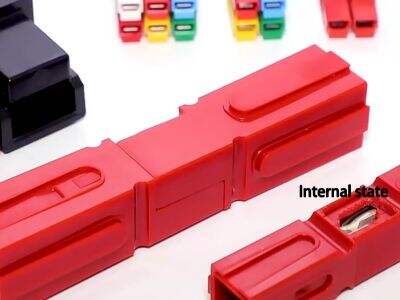
בעת בחירת הגודל המתאים של הדקי החיבורים לפרויקט שלכם, המפתח הוא לקבוע את הגודל בהתאם לשימוש שתרצו לעשות בהם. GEN יודעים שבבחירת הדק החיבורים הנכון אין מדובר רק בבחירת חלק כלשהו, אלא בודאי שהוא יתאים לכל מה ששייך אליכם. אם קונטקטים של חבל קטן מדי, ייתכן שיהיה לו קשה להכיל ולשאת את זרימת החשמל. בנוסף, אם הוא גדול מדי, עלולים אתם לבזבז כסף על קיבולת שאינכם צריכים וגם על שטח יקר ביישוב שלכם. איזון זה חשוב ביותר מבחינת יעילות ובטיחות.
איך בוחרים גודל הדקי חיבורים ליישום שלכם?
בעת בחירת גודל הطرفיות, שקול את סוג הזרם שהיישום שלך יצרוך. זרם הוא תנועת חשמל, והוא יכול להיבדק באמפר. אם צפוי לך כמות גדולה של חשמל שזורמת, אתה רוצה קצוות מבודדים מסוגל להחזיק את זה. לדוגמה, ייתכן שמכשיר קטן ידרש רק borne עם דירוג של 5 אמפר, בעוד שמכונה תעשייתית עשויה להזדקק to borne עם דירוג של 30 אמפר או יותר. וכמובן, אל תשכחו לקחת בחשבון את הסביבה של ה-borne שתוכננו להשתמש בו. על ה-borne להיות מוגן מהumidity או אבק אם הוא ממוקם במקום רטוב או ע dusty. הכוונה שלי היא להשתמש ב-borne עם ציפוי מיוחד או חותם. וקחו בחשבון כמה חיבורים אתם זקוקים. ואם אתם צריכים הרבה כבלים לפרויקט שלכם, ייתכן שתרצו בלוק borne שתומך ביותר מחיבור אחד. קיימים סוגים רבים של borne-ים שסופקו על ידי GEN, בהתאם למה שאתם צריכים אותם לו, שניתן להשתמש בהם בכל דבר מאלקטרוניקה קטנה עד מכונות תעשייתיות ענקיות. לבסוף, אל תשכחו מהמרחב. לפני שקונים borne, ודאו שהוא יתאים למיקום שבו תרצו להתקין אותו. אם הוא גדול מדי, פשוט עלול שלא להיות מספיק מקום כדי שכולו יתאים כפי שצריך, ויתכן שיהיו לכם בעיות בעתיד.
בחירת דירוגי הדקי היציאה הנכונים לנצילות מירבית
הדירוגים הנכונים של הדקי היציאה חשובים כדי להבטיח שהכל ימשיך לפעול בצורה חלקה ובטוחה. בדקו תחילה מהו סך הזרם שדרישה היישום שלכם. אם דירוג הדק אינו גבוה מספיק, הוא עלול להתחמם ולהיכשל. זה משמעותי מכיוון שהתחממות יתר עלולה לגרום לדליקות או להרס. אם יש לכם מערכת שצורכת 15 אמפר, אתם מחפשים מונח מחבר מברג שנדרג ליותר מ-20 אמפר. דירוג נוסף זה הוא הצעד הנדרש כדי לשמור על כל הדברים בטוחים ובסדר תקין. דבר נוסף שיש לקחת בחשבון הוא המתח. הדקי החיבור יכולים להיות תואמים לרמות מתח שונות. אם אתם זקוקים ל-240 וולט ליישום שלכם, ודאו שהדקי החיבור יוכלו לעמוד גם במתח הזה. באותו האופן, GEN מציעה הדקי חיבור ניתנים להחלפה למגוון מצבים של מתח. וכמה פעמים הם יתבצעו חיבור ונתק. אם אתם משתמשים כבדים, ייתכן שתרצו דק חיבור שנבנה לסוג הזה של בلى. בדקו אם קיימים סימונים או مواصفות שמראים כמה מחזורי חיבור/נתק יכול הדק החיבור לשאת. ככל שיותר מחזורים – כך טוב יותר, במיוחד ביישומים עסוקים. לבסוף, זכרו לבדוק את המלצות היצרן ליישום הספציפי שלכם – הם לעתים קרובות יכולים לספק את הייעוץ הטוב ביותר לגבי מה לבחור! ע"י עמידה בתהליך זה, אתם ממזערים את הסיכוי שההדקים שלכם לא יעבדו כראוי, ומבטיחים שהם יעברו חלק ללא התנהגויות מוזרות במהלך העבודה על הפרויקט שלכם.
מה עלי להימנע ממנו בעת הגדרת גדלי טרמינלים?
הכלל הוא שיש גודל טרמינל מסוים לכל יישום, כשמדובר בשימוש בטרמינלים כאמצעי לחיבור חוטים ורכיבים אחרים. אנשים עושים ואומרים דברים שעלולים לגרום לבעיות בהמשך. רבים טועים בשימוש בגודל טרמינל קטן מדי עבור החוט הספציפי. אם הטרמינל שמועבר על החוט אינו מעוצב לחתך של חוט עבה, הוא עלול להתחמם יתר על המידה ולנתק. זה עלול לגרום לחיבורים חשמליים לקויים, וזה מסוכן. טעות שלישית היא אי-אימות דירוג הזרם של הטרמינל. לכל שקע יש קיבולת מיטבית בטוחה להעברת חשמל. חציית הקיבולת המаксימלית עלולה לגרום למסבת או לשריפה של הטרמינל. זה כמו ניסיון לדחוף מזוודה גדולה למכונית קטנה; פשוט לא יקרה.
וישנם גם כאלה שמפספסים את חומר הطرفית. טרמינלים בודדים מיוצרים ממתכות שונות, וכל סוג חומר יש לו מאפיינים משלו. לדוגמה, טרמינלים מנחושת הם מוליכים טובים של חשמל, אך כשמשאירים אותם ללא הגנה (לא גזורים או גזירה ירודה) הם נוטים להתחמצנות. בקיצור, אם הطرفית מתחלדת או מתחמצנת, החיבור לא יהיה טוב, מה שעלול להוביל לקלקול המכשיר. ולבסוף, אי-שקילת הסביבה שבה הطرفית תפעל תגרום לבעיות. תרצו להשיג טרמינלים שיעמדו בפני לחות ואבק אם הם ישתמשו בחוץ. GEN אינו רוצה שבעיות אלו יקרו לכם, ולכן אנו מספקים לכם הסבר פשוט על גדלי טרמינלים ולמה הם משמשים. שמרו על הוראות אלו בנימוס ותהיו נהנים ממערכות יחסים טובות יותר ומפרויקטים בטוחים יותר.
התאמת דירוגי טרמינל לתקנים
מאוד חשוב להיות מסוגל להתאים דירוגי הדקי החיבורים לדרישות התעשייה. תקנים תעשייתיים הם הכללים המשמשים להבטחת בטיחות ויעילות. אם בוחרים דק, יש לוודא שהוא עומד בדרישות הללו. הדבר הראשון שצריך לעשות הוא למצוא מהו סך הזרם העובר דרך הדק. זה נקרא דירוג הזרם. מידע זה יופיע ברשימת המוצר. הוא מודיע לך בכמה זרם חשמלי יכול הדק לקבל מבלי שיתלדד. תמיד ודא שבחרת בדק עם דירוג זרם הגדול או שווה לזה הנדרש עבור כל פרוייקט שעליו אתה עובד.
כמו כן, שקול את דירוג הטמפרטורה. חום יכול להשפיע על הדקי החיבור. אם הם יתחממו יותר מדי, הם עלולים להמס או להתרופר. ודא שהדקי החיבור מודרגים לטמפרטורת הפעולה המרבית בישום שלך. לבסוף, בדוק אם יש תעודות אימות. תעודות אימות הן עדות לכך שהדקי החיבור עמדו בבדיקות ותואמים לתקני בטיחות. GEN מספקת דקי חיבור העומדים בתקן התעשייתי הזה, כך שתוכל למצוא את הדק החיבור המתאים ביותר לפרויקטים שלך. על ידי השוואת דירוגי הדקי החיבור לתקנים אלו, תוכל להיות בטוח שהחיבורים החשמליים שלך בטוחים ויעילים.
איתור תקלות בבעיות נפוצות בשימוש בדקי חיבור בפרויקטים שלך
אם אתם משתמשים בטרמינלים, ישנם כמה מכשולים נפוצים שאתם עלולים להיתקל בהם והפרויקט שלכם עלול ליפול קורבן להם. הבעיה עשויה להיות חיבור רופף. הוא ייצור מגע גרוע עם החוט אם ההדק אינו במקומו היטב. זה יכול למנוע זרימת חשמל כראוי, ולגרום לבעיות במכשירים שבהם אתם משתמשים. כדי לפתור זאת, בדקו את החוט כדי לוודא שהוא מחובר כראוי ושההדק מחובר היטב לחוט. אם הוא עדיין רופף, ייתכן שתצטרכו להחליף את ההדק בהדק של GEN שמתאים היטב.
בעיה נוספת עשויה להיות קורוזיה. קורוזיה מתרחשת כאשר מתכת מגיבה עם לחות ואוויר, ויוצרת חלודה. מצב זה עלול לעכב את זרימת החשמל ולהוביל להפסקת פעילותם של ההתקנים. כדי לתקן זאת, יש לבדוק באופן תדיר את המוניטין. אם נראית חלודה או שינוי בצבע, יש לנקות אותם בעזרת cepצצה או להחליף אותם. ניתן למנוע בעיה זו באמצעות שימוש במוניטין מצופים או שעשויים מחומרים עמידים בפני קורוזיה.
לעיתים קרובות עלול להתרחש גם חימום יתר. זה קורה כאשר המתח בצד אחד של הדקי החיבור גבוה מדי, מה שגורם להם להתחמם. כדי למנוע זאת, יש לוודא תמיד שימוש בהתקני חיבור עם דירוג נכון לפרויקט שלך. אם נמצאת התקן חם, יש להפסיק את פעולת החשמל ולבדוק אם יש חיבורים רופפים. אם ההתקן פגום, יש למצוא תחליף מתאים מאת GEN המתאים לצריכת הזרם.
אם אתה מכיר את הבעיות הנפוצות ואת אופן הפתרון שלהן, סיכוי קטן יותר שתתקע בפרויקטים שלך. שים לב כי בחירה נכונה של מימדים וביקור תקופתי יחסכו לך זמן וטרחה. עשה דברים מראש, ותוכלו להבטיח שההתקנים שלך יפעלו בצורה יעילה ובטוחה כדי להפוך את הפרויקט שלכם להצלחה.

